

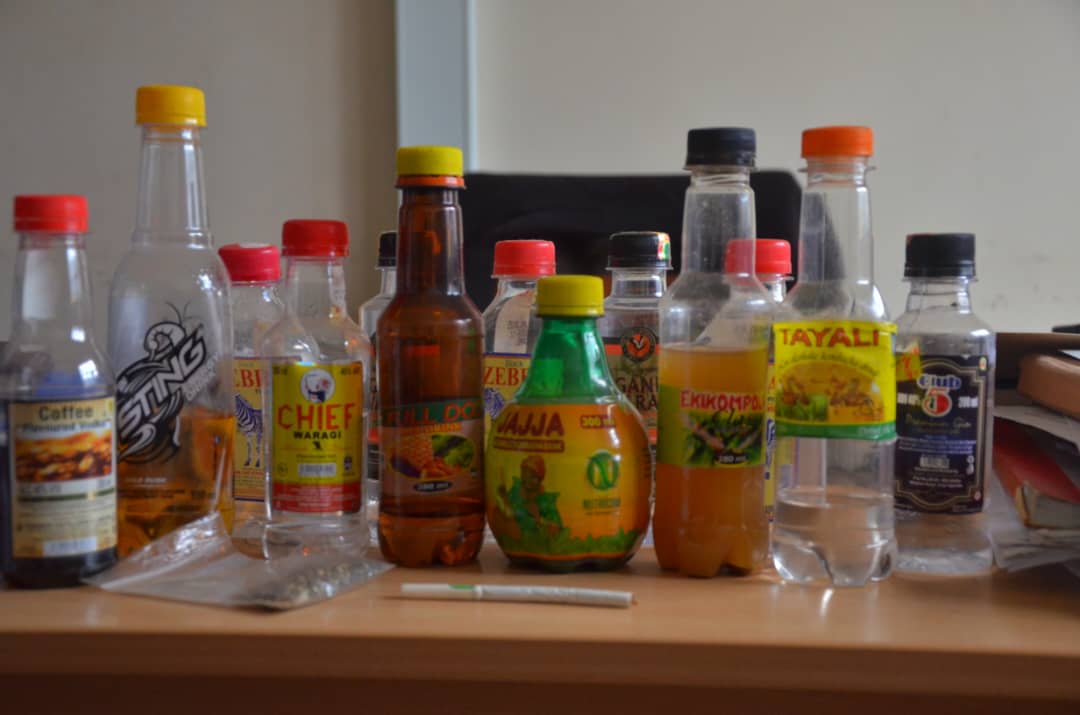
Illicit drug consumption in the Kigezi sub-region is on the rise, raising concern among health professionals and local leaders over its impact on communities.
The growing use of harmful substances has been identified as a major contributing factor to increasing cases of mental illness and domestic violence across the region.
Commonly abused substances include locally manufactured energy drinks, alcoholic beverages, marijuana, tobacco, cocaine, and other illicit drugs.
Experts warn that users are increasingly engaging in dangerous practices such as mixing different drinks and substances, many of which contain toxic ingredients that pose serious health risks.
According to Dr Johnson Bitungwa, Principal Psychiatric Officer at Kabale Regional Referral Hospital, the trend is becoming alarming.
He said the steady increase in drug consumption across Kigezi poses a significant threat to the health and productivity of the population.
Dr Bitungwa explained that substance abuse is often driven by underlying social and psychological challenges such as depression, stress, unemployment, and domestic violence.
Many individuals, he noted, turn to drugs as a coping mechanism, but this often worsens their condition, leading to addiction, mental health disorders, and increased family conflict.
He revealed that mental illness cases linked to substance abuse are more prevalent among men than women, based on hospital statistics recorded between January and December 2025.
During this period, Kabale Regional Referral Hospital registered 1,306 mental health patients, including 842 males and 464 females.
“Out of these cases, 311 males were admitted specifically due to alcohol-related conditions,” Dr. Bitungwa said, highlighting the significant impact of alcohol abuse on mental health in the region.
He also pointed out that a large proportion of those affected are young people, attributing this to risky behaviors such as consuming mixed alcoholic and energy drinks, which are often unregulated and contain harmful chemical substances.
Dr Bitungwa called for urgent and coordinated action from government agencies, health institutions, and community leaders to address the growing crisis.
He emphasized the need to strengthen regulation of the sale and distribution of harmful substances, alongside increasing public awareness about the dangers of drug abuse.
